
Difficult Conversations Between Older Parents and Their Adult Children
How Hidden Agendas on Both Sides Can Make Communication Harder

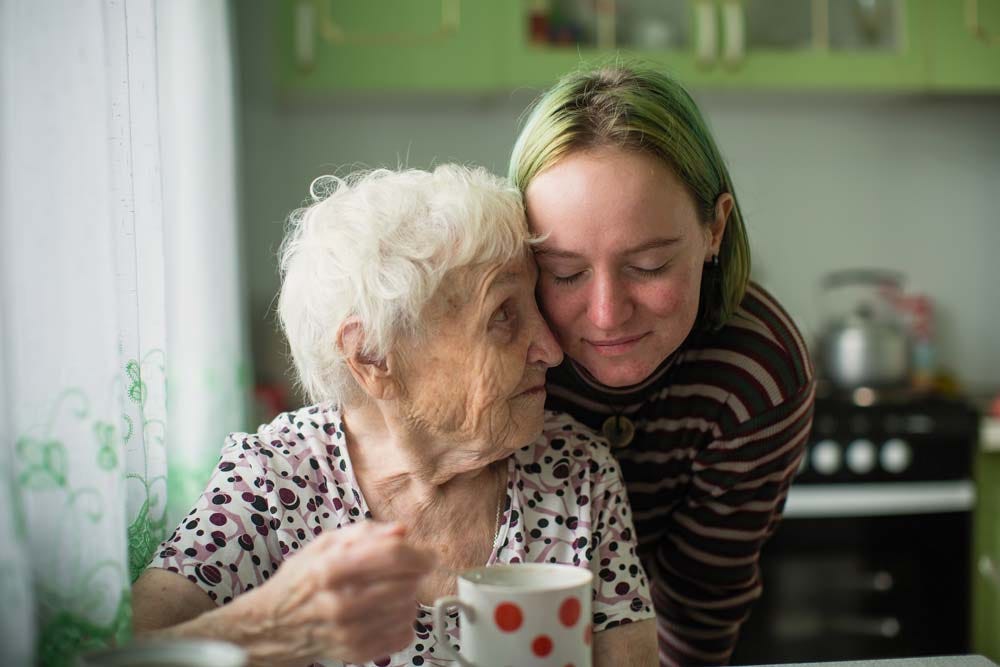
The bonds between parents and children are among the strongest we ever make. These relationships usually remain high priorities no matter how old we are. At the same time, effective intergenerational communication is always a challenge throughout our lives. This can become especially difficult when parents are very old or diminished. The three examples in this piece illustrate some of the most common problems you may face and also point you towards solutions. These are true stories I heard from my former psychotherapy clients, as well as from colleagues and friends. I have changed their names to protect their privacy.
Maryanne
Tim and Lucy agreed that it was time for their eighty-two-year-old mother, Maryanne, to move from her home to a place where she would have more assistance. Her husband and most of her friends had died. Her diabetes was becoming more symptomatic and it was difficult for her to walk up the stairs in her three-story house.
Every time Tim or Lucy mentioned the idea of moving, Maryanne would either change the subject or launch into an unrelated story they had heard countless times before. When Lucy took Maryanne to visit several potential senior-living facilities, her mother found fault with each one. Despite this, the siblings continued to search for a place that would appeal to her. However, the more they encouraged Maryanne to make a decision, the more she resisted. Tim and Lucy saw their mother as “stubborn” and “irrational” and became frustrated with her. Maryanne finally exploded and told Lucy and Tim to “back off.” In their exasperation with the entire situation, they decided to do just that.

My Comments
Tim and Lucy didn’t realize that Maryanne’s behavior — her tendency to repeat old stories, her frequent off-topic comments, and her constant refusal to make decisions — was a way of protecting her hidden agenda. Whether she was conscious of it or not, her underlying goal was to keep everything unchanged to avoid facing any additional losses right now. Maryanne’s stalling tactics were her way of maintaining control.
Lucy and Tim struggled to understand this situation because, like many middle-aged people, their unspoken agenda was to rush through their long to-do lists. They were so busy with their jobs and their children that they had little time to make long visits that seemed to make no progress at all just to “coddle” their difficult mother. They also lacked insight into what it really feels like to be old and what becomes important at this later stage of life. Once they realized their approach wasn’t working and they needed to adjust their expectations, they backed off.
And this is why Maryanne remains in her three-story house, and her children remain worried about her well-being.
Duncan
For several years, Lori had been worried about whether it was safe for her 85-year-old father, Duncan, to still be driving. He had fallen several times, and his arthritis was getting worse. Despite this, Duncan remained adamant that he would keep driving. Finally, Lori insisted that he take a driving skills test designed for older adults. When Duncan flunked the test and was told that he had to surrender his license, he was furious. For weeks he ranted and raved about the test. Lori became annoyed and told him that he was being childish.

My comment
I believe it was wise for Lori to insist that Duncan take the driving test despite how hard it was to accomplish. However, I wish that Lori had been more attuned to Duncan’s feelings. It is easy to be misled by expressions of anger and overlook the hurt that lies beneath it. The situation would have gone so much more smoothly if Lori understood how significant a loss of control it was for her father to be unable to drive. He needed empathy, condolences, and love.
Millie
Millie lived in a small house in the countryside, far from all of her three sons. Shortly after her husband died, Millie had a serious heart attack. She was recovering well, and the next thing her sons knew, she announced that she had moved to an apartment in town. They were upset because they all lived far away. Millie finally admitted, “I didn’t want to be a burden on any of you. Of course, I would prefer to be near one of you.”
At this point, the sons began to talk together. It turned out that one of them said he and his wife would be glad for Millie to move in with them; they had the space. Millie did move in and lived there happily for the next two years.

My comment
Millie’s story began with major communication failures on both sides of the generational divide. Her sons did not keep in regular contact with their mom. It was also a big problem that Millie struggled to express what she really wanted, whether it was asking for a chocolate cookie or the desire to live near one of her sons. Her secret agenda was to never ask for anything from her children. She had quietly engineered a move to a town where she didn’t want to live.
Lack of honest communication can be a recipe for disaster. Of course, the sons should have been more involved right from the start and worked as a family to find a solution for their mother. And of course, Millie should have been more forthright about her feelings and what she wanted.
Tips for effective intergenerational communication
The unspoken agendas of most older people include maintaining control and not being a burden to their children. For the children with aging parents, the hidden agenda is often to fix any problems that arise as quickly as possible. A wonderful way for everyone to stay connected and informed is for regular family meetings on Zoom or in person.
Adult children need to remember that their parents, in most situations, have the right to make an unwise decision. It requires a lot of patience and understanding at this stage, especially where there are worrisome safety and financial concerns.
Older parents need to learn to ask for the help they need. It is totally appropriate for them to be more dependent at this stage. The task of children with aging parents is to take the time to understand what their parents are actually feeling and what they need.
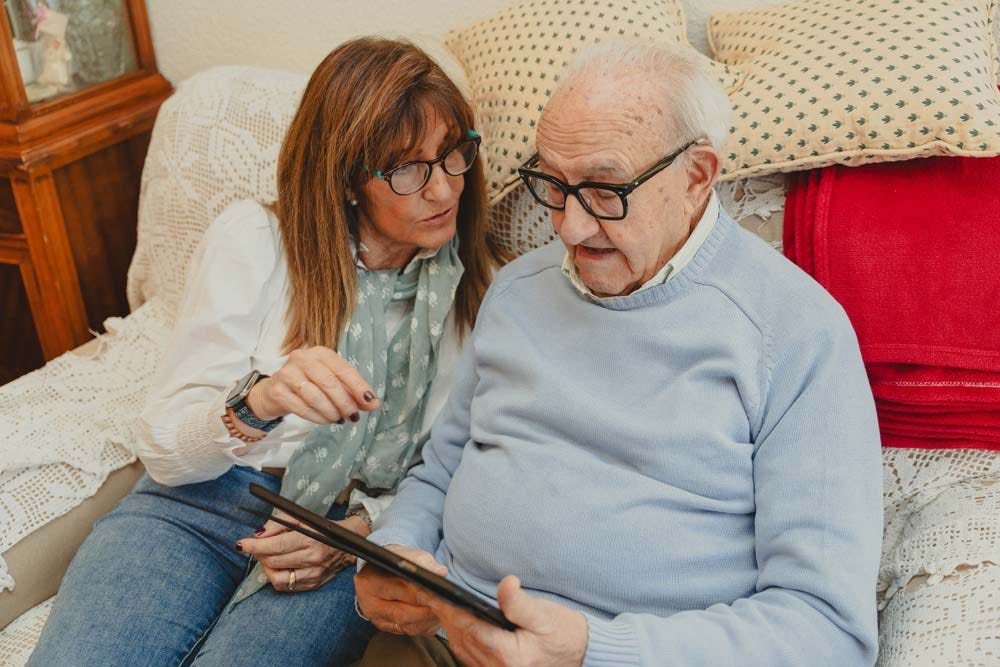
Navigating difficult conversations between older parents and their adult children can feel like walking a tightrope. There’s no right or wrong, but the key here is understanding the other’s point of view.
Katharine Esty is a psychologist, a widow, a mother, a grandmother, and a writer. Her recent book, Eightysomethings — A Practical Guide to Letting Go, Aging Well, and Finding Unexpected Happiness, was published by Skyhorse.
Looking for more from Dr. Katharine Esty? Sign up on her website for her monthly newsletters.

#psychology #family #relationships #health #wellness #communication #familydynamics
Good column. However, I remember my stress when my aging parents needed me and I was juggling so many things already.
It's so easy to forget we all have feelings which should be respected (& the right to make unwise decisions - I love that comment!)
This is a situation many will come across, and kindness is something you can live with in years to come